Most events begin with a simple idea and a group of people willing to make it happen.
A village fête, a food festival, an agricultural show, a market, an airshow or a few bands in a field. At the start, there is no grand strategy—just enthusiasm, volunteers, local support and a belief that it might work.
Then something interesting happens.
People turn up.
And if you're fortunate, they come back.
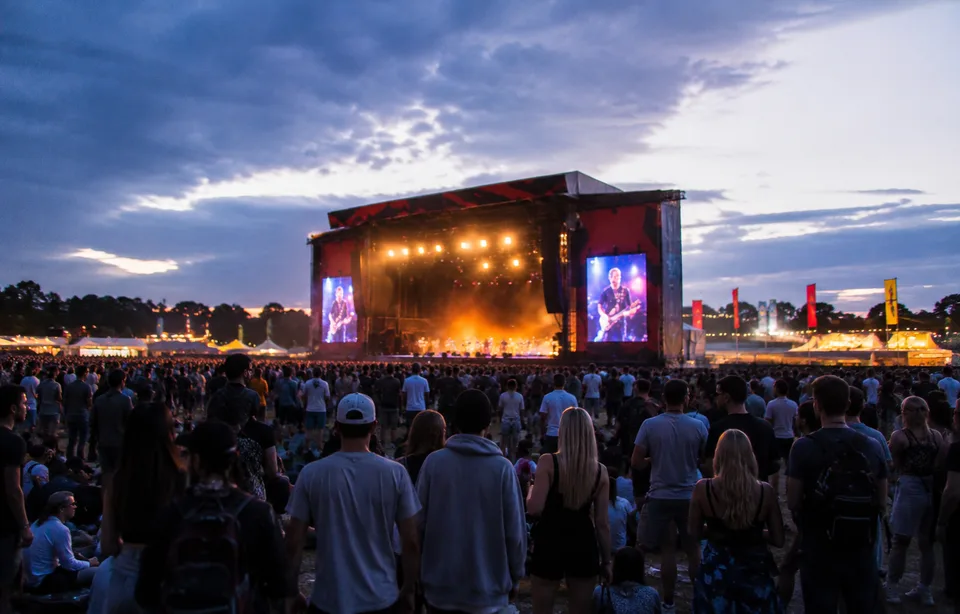
Soon the event sells out. More people want tickets. The field feels smaller. More infrastructure is needed. More toilets, fencing, power, security, staff and planning.
The obvious answer is often growth.
But is bigger always better?
For some organisers, growth creates opportunities for better facilities, stronger finances and a bigger audience. For others, staying small protects the character, community spirit and identity that made the event successful in the first place.
Many of today's most loved grassroots events weren't created to become massive festivals. Some choose to remain intentionally small. Others grow carefully and then stop. And some continue expanding year after year.
The real measure of success may not be attendance numbers at all.
Perhaps it's whether organisers still control their vision, whether contributors still want to be involved, and whether the event remains sustainable for everyone who helps make it happen.
So when somebody says, "We're going to need a bigger field," perhaps the first question should be:
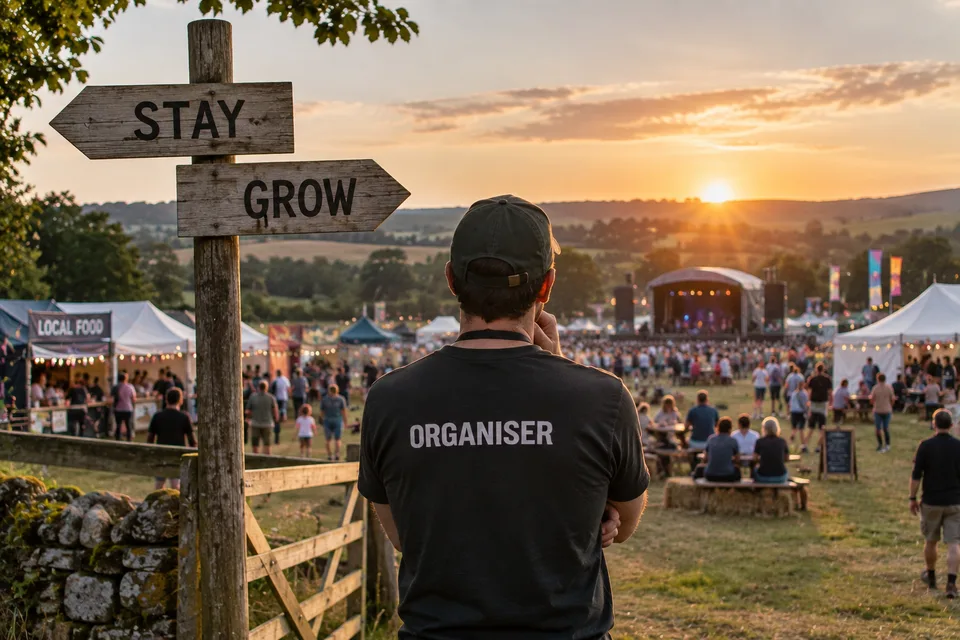
Should I stay or should I grow?
#FestivalApps #Microfests #GrassrootsEvents #CommunityEvents #EventOrganisers #IndependentEvents #FestivalIndustry #EventIndustry #AgriculturalShows #FoodFestivals #Carnivals #Markets #Airshows #UKEvents #AustralianEvents #FestivalGrowth #CommunityFestivals #EventManagement #FestivalCulture #SmallEventsBigImpact